Why a Flush Hardwood to Tile Transition Makes All the Difference
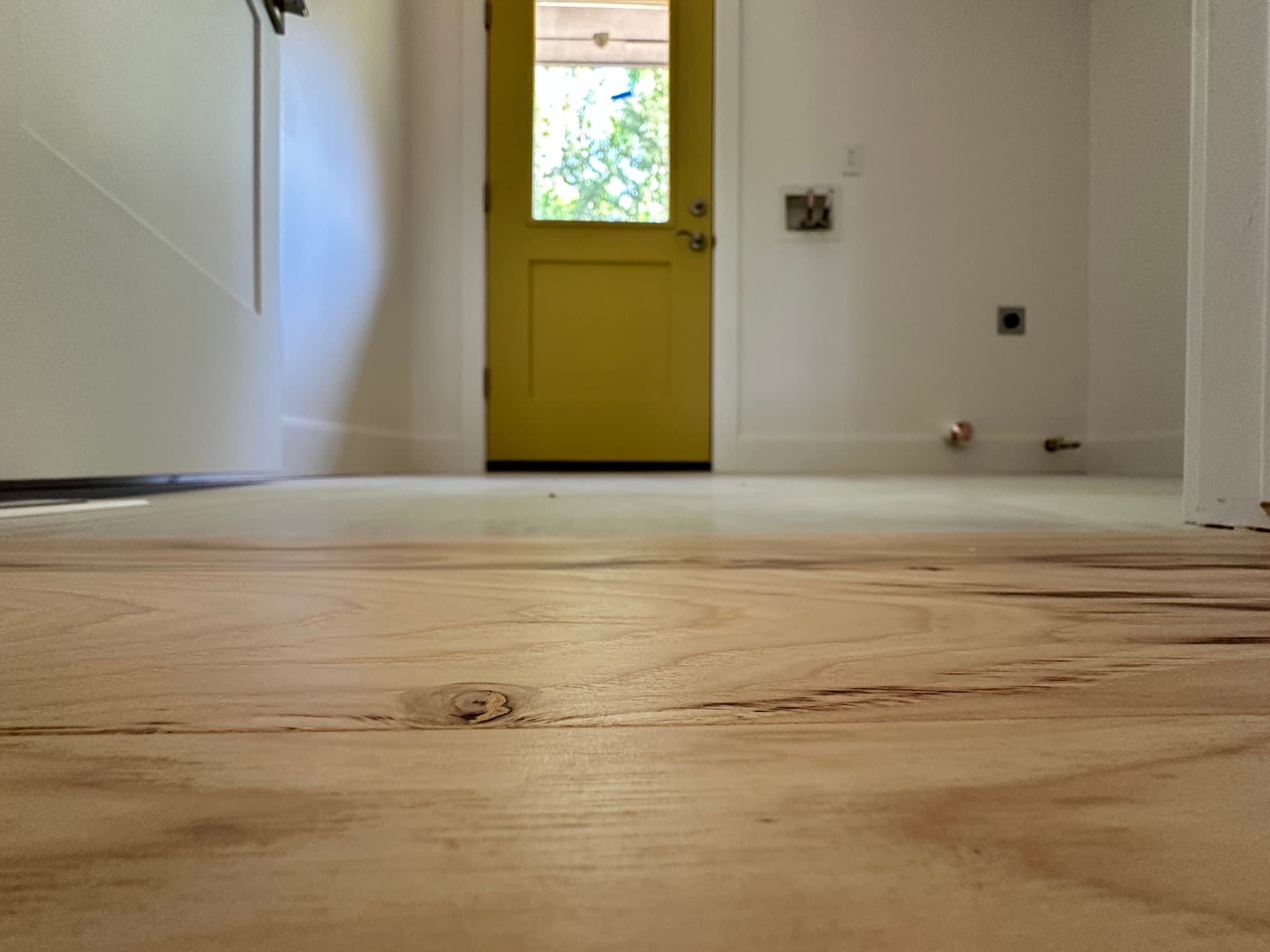
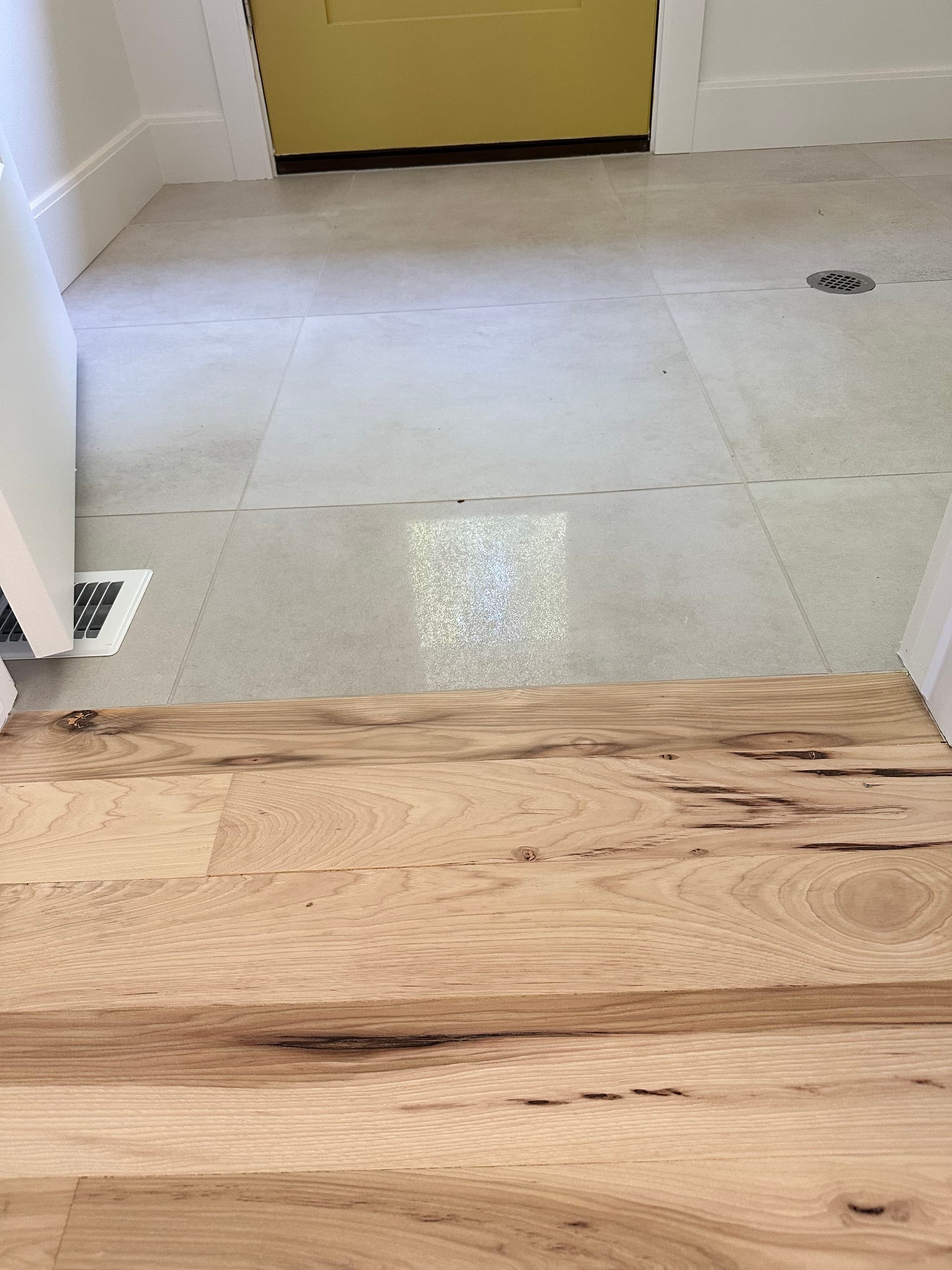
Most people don't think much about floor transitions - until they stub a toe or catch a heel on one. That little raised strip of molding between two floor types is one of those things that seems minor, but it adds up fast. It's a trip hazard, it collects dirt, and honestly it just looks unfinished.
A flush transition is a cleaner approach. Instead of covering the meeting point with a bulky threshold strip, both floors are brought up to the same height so they meet seamlessly. The result is a smooth, continuous surface from one room to the next - no bump, no gap, no awkward visual break.
Getting this right takes planning from the start. The heights of both materials - hardwood and tile - have to be carefully accounted for during installation. You can't just lay them independently and hope they line up. It requires knowing your finished floor heights, factoring in underlayment, and sometimes adjusting the substrate underneath one or both materials to make it work. That's the detail work that separates a job that looks great long-term from one that starts to bother you a month in.
The character in the wide-plank hardwood here pairs naturally with the large-format tile, and that flush meeting point ties both materials together without interrupting the flow. It's a small call to make during planning, but it changes how the whole floor reads once everything is done.
This is the kind of decision worth having a conversation about before your floors go in - not after. Getting the transition right from the start means you're not looking at a fix or a workaround later.