White Oak Floor Restoration in Tooele That Proves Replacement Isn't the Answer
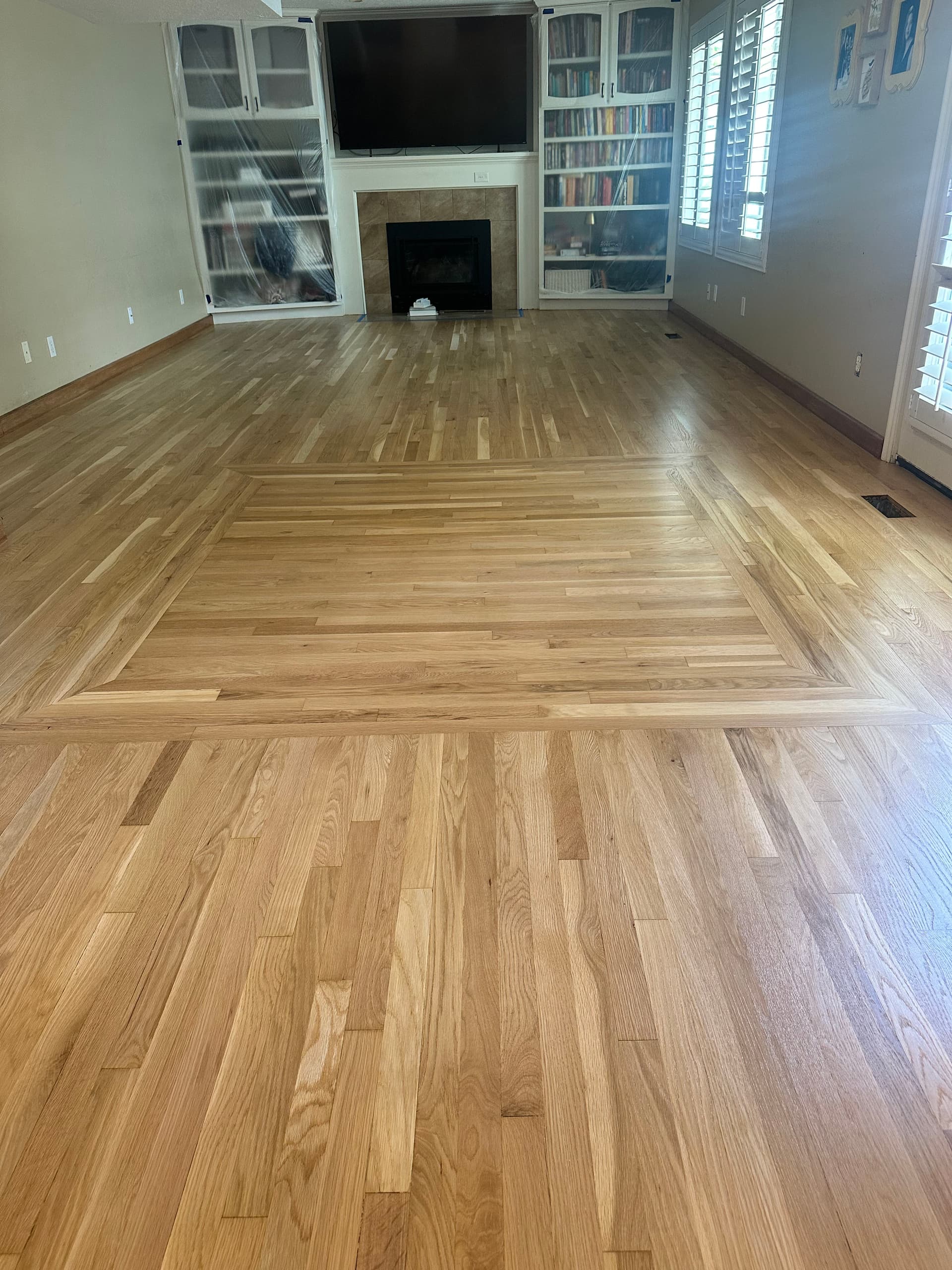
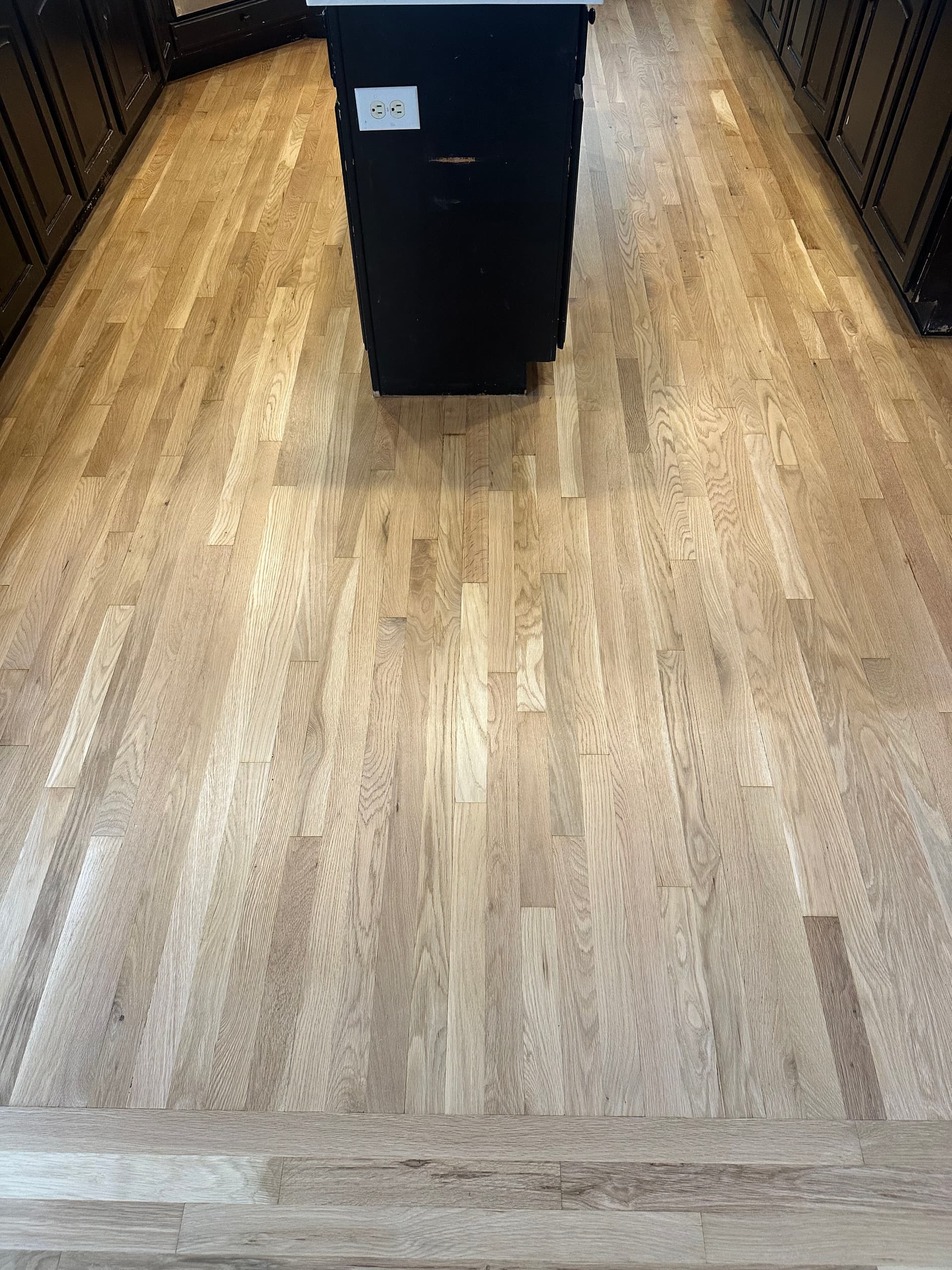
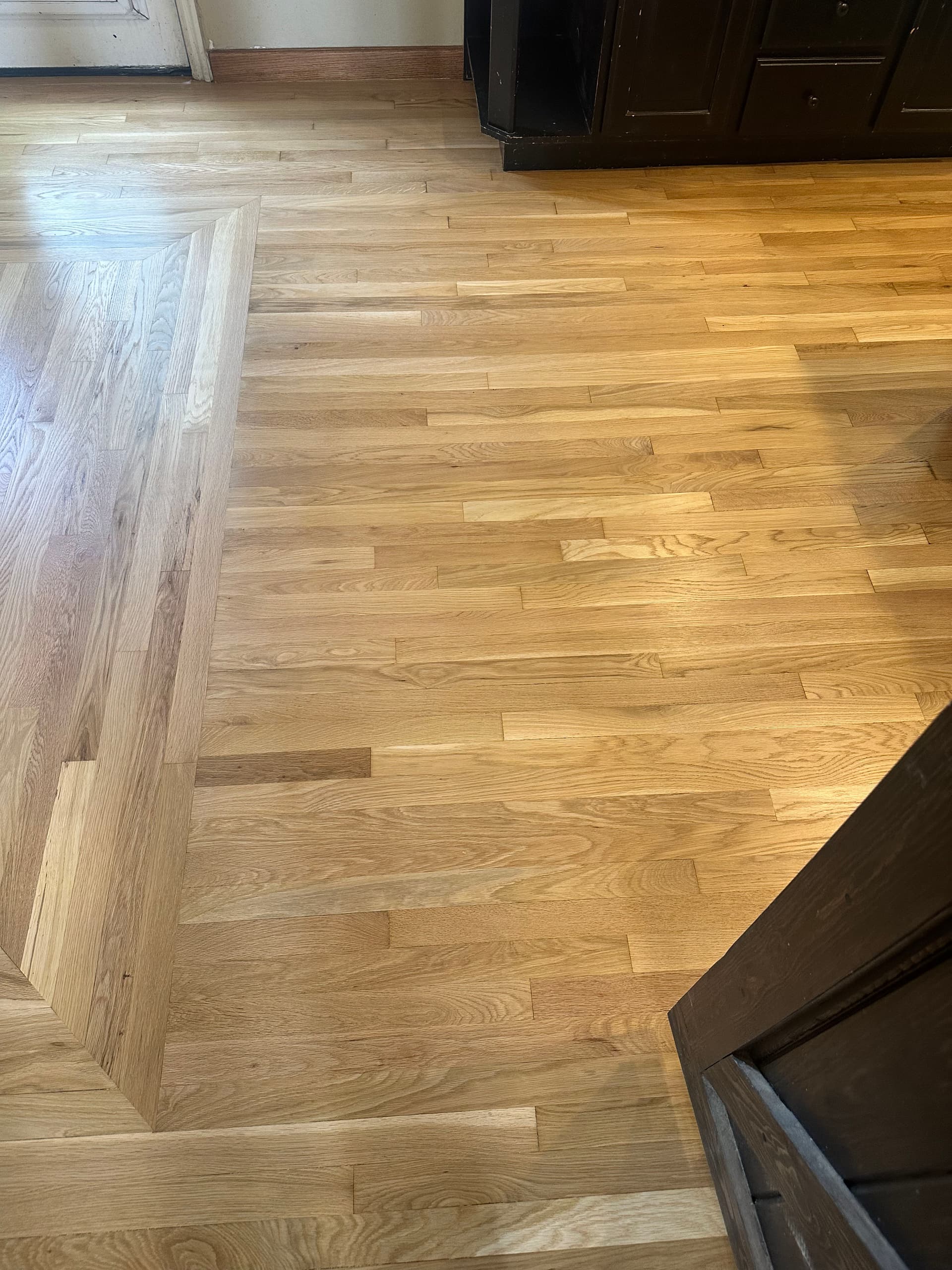
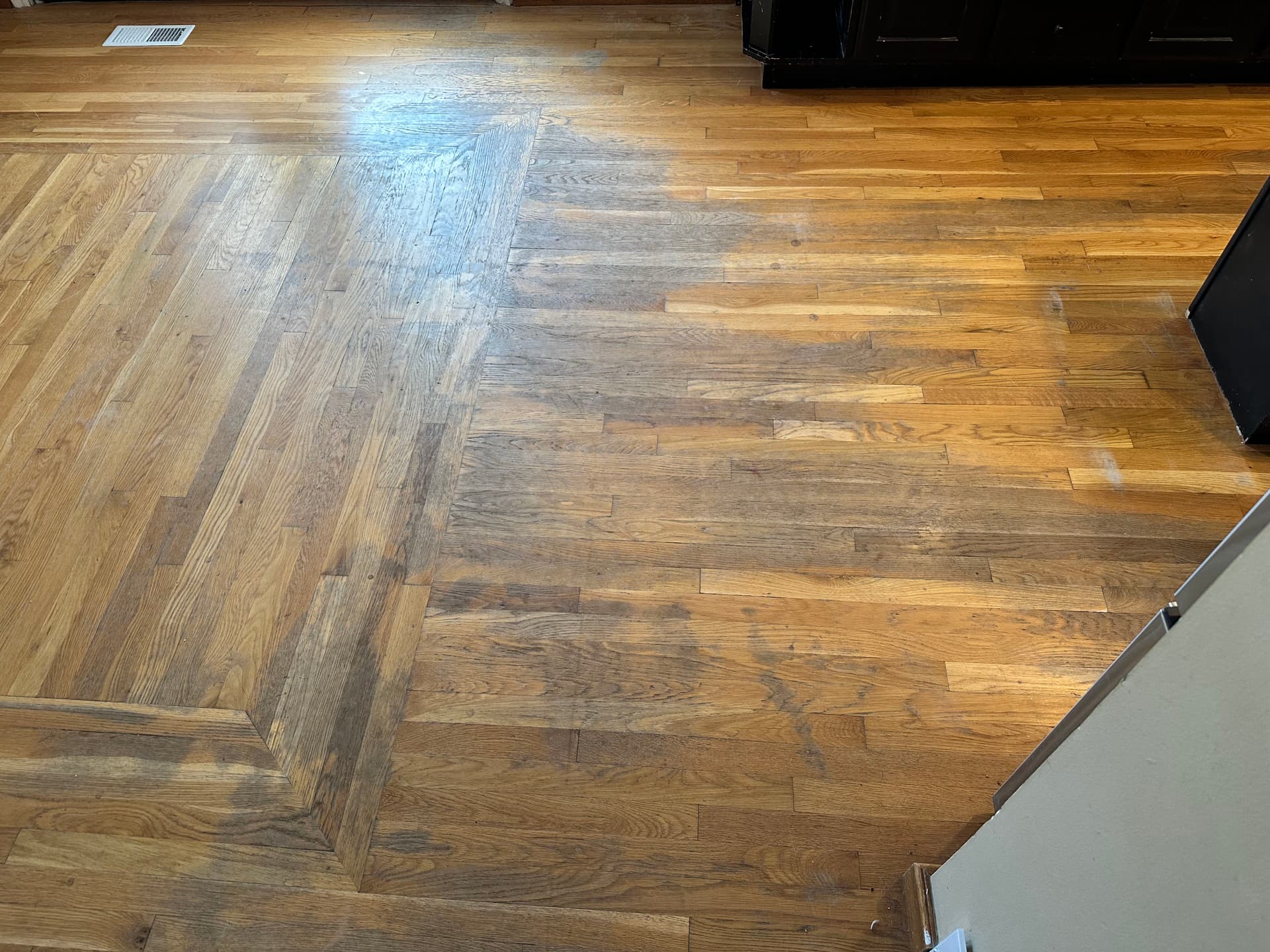
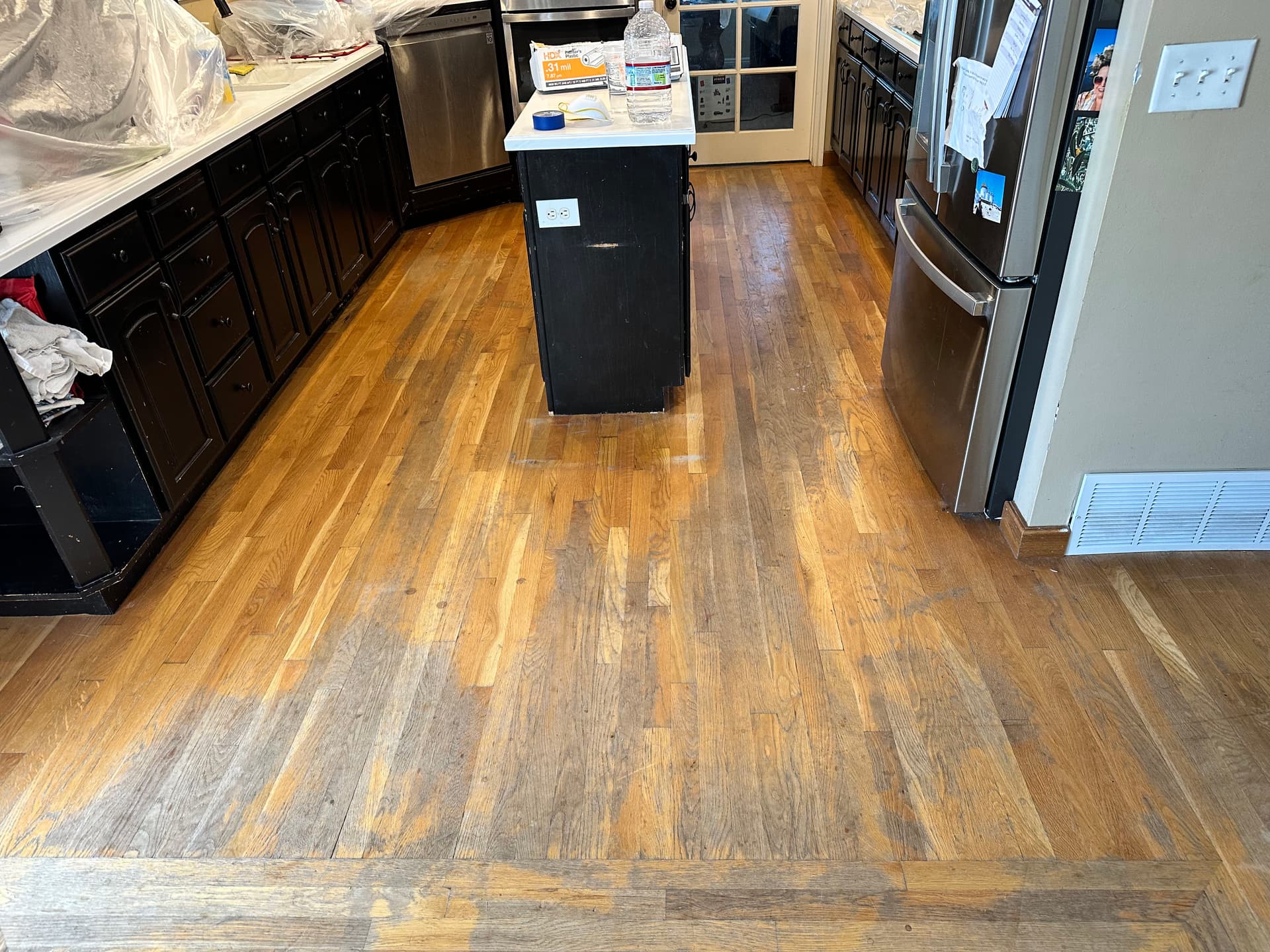
A lot of homeowners look at floors like these and immediately start pricing out new flooring. Dark patches, dull finish, uneven coloring from years of foot traffic - it looks bad enough that replacement feels like the only option. It isn't.
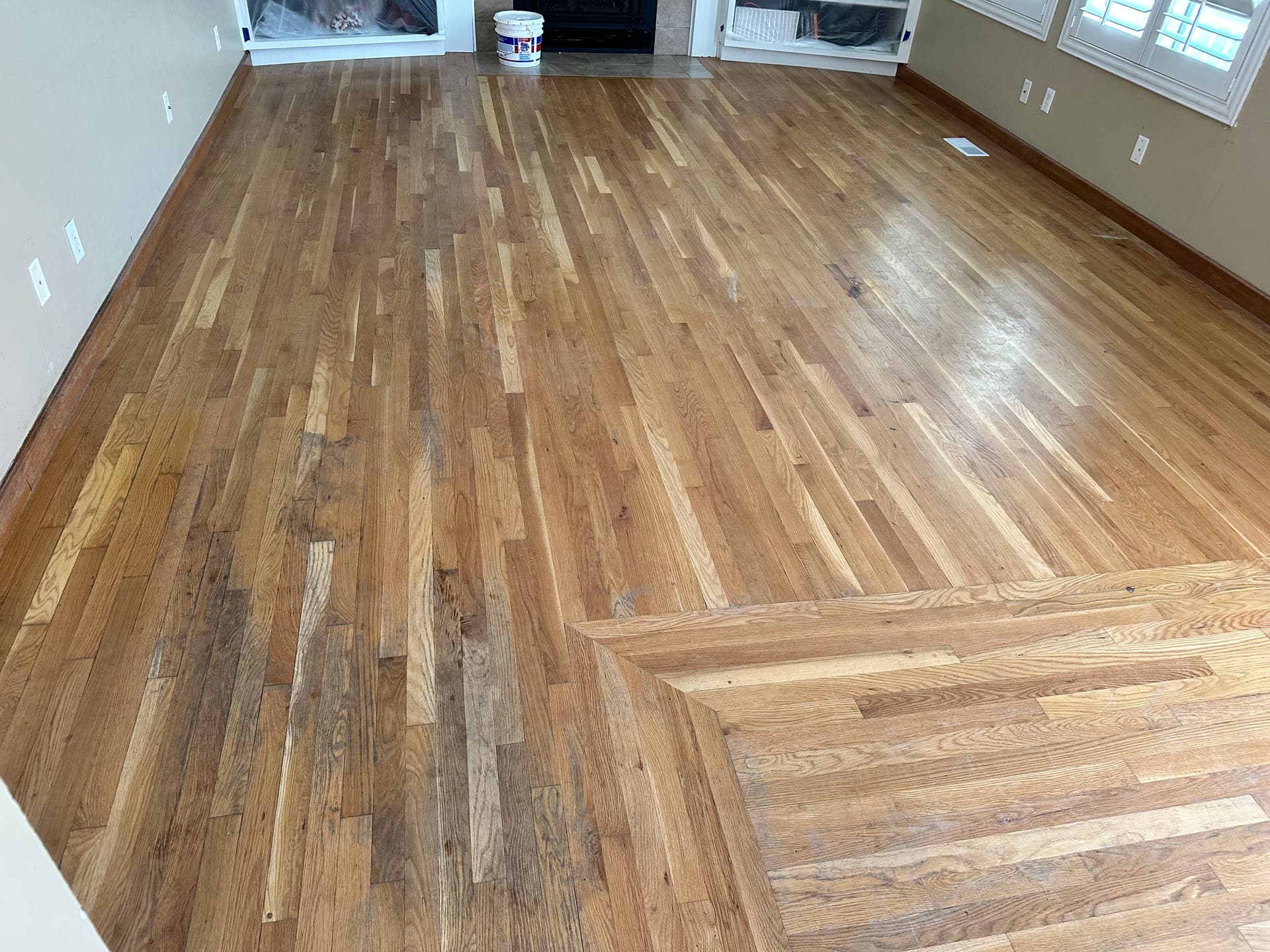
These were solid white oak floors running through the living room and kitchen of a Tooele home. The wood itself was still in good shape underneath all that wear. That's the thing about real hardwood - it has layers to give. Our job was sanding back the damage and bringing the actual wood back to the surface, not covering it up.
We did a full restoration - sanding, smoothing, and refinishing across both rooms. The kitchen especially had some serious wear going on, with dark staining and an uneven finish that made the whole floor look like it was past saving. It wasn't. Once we got through the sanding process and stripped it back to clean wood, the grain came right back. That warm, natural tone white oak is known for - it was in there the whole time.
What you end up with is a floor that looks and feels new without the cost or waste of tearing everything out. The inlaid border detail in the living room is a great example of why restoration makes sense here. That kind of detail would be expensive to replicate. We kept it intact, sanded it down clean, and let it shine the way it was meant to.
Solid hardwood is one of the few things in a home that genuinely gets better with proper care. If your floors are showing years of wear, they're probably not as far gone as they look.